
PROJECTS
DAY 1
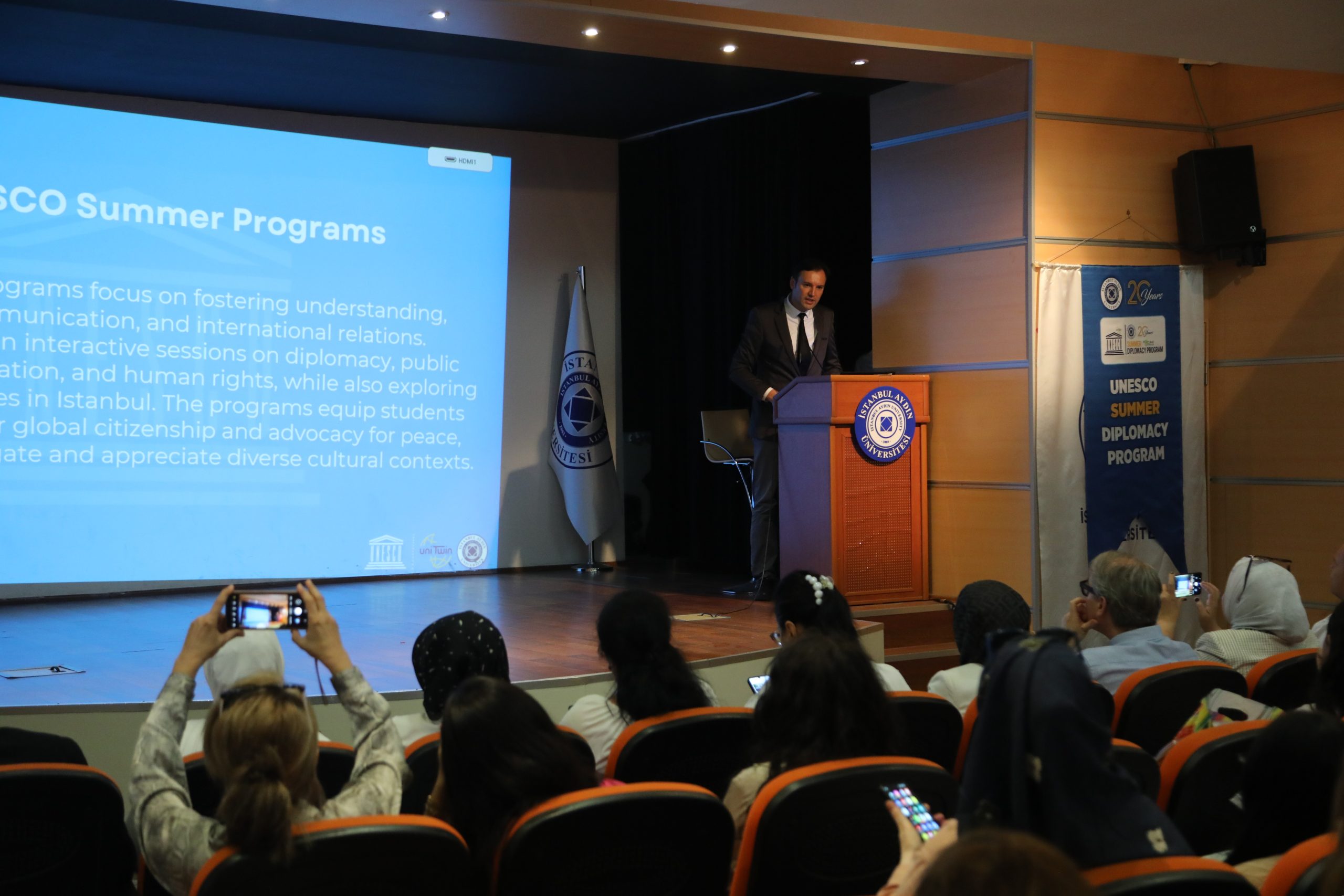
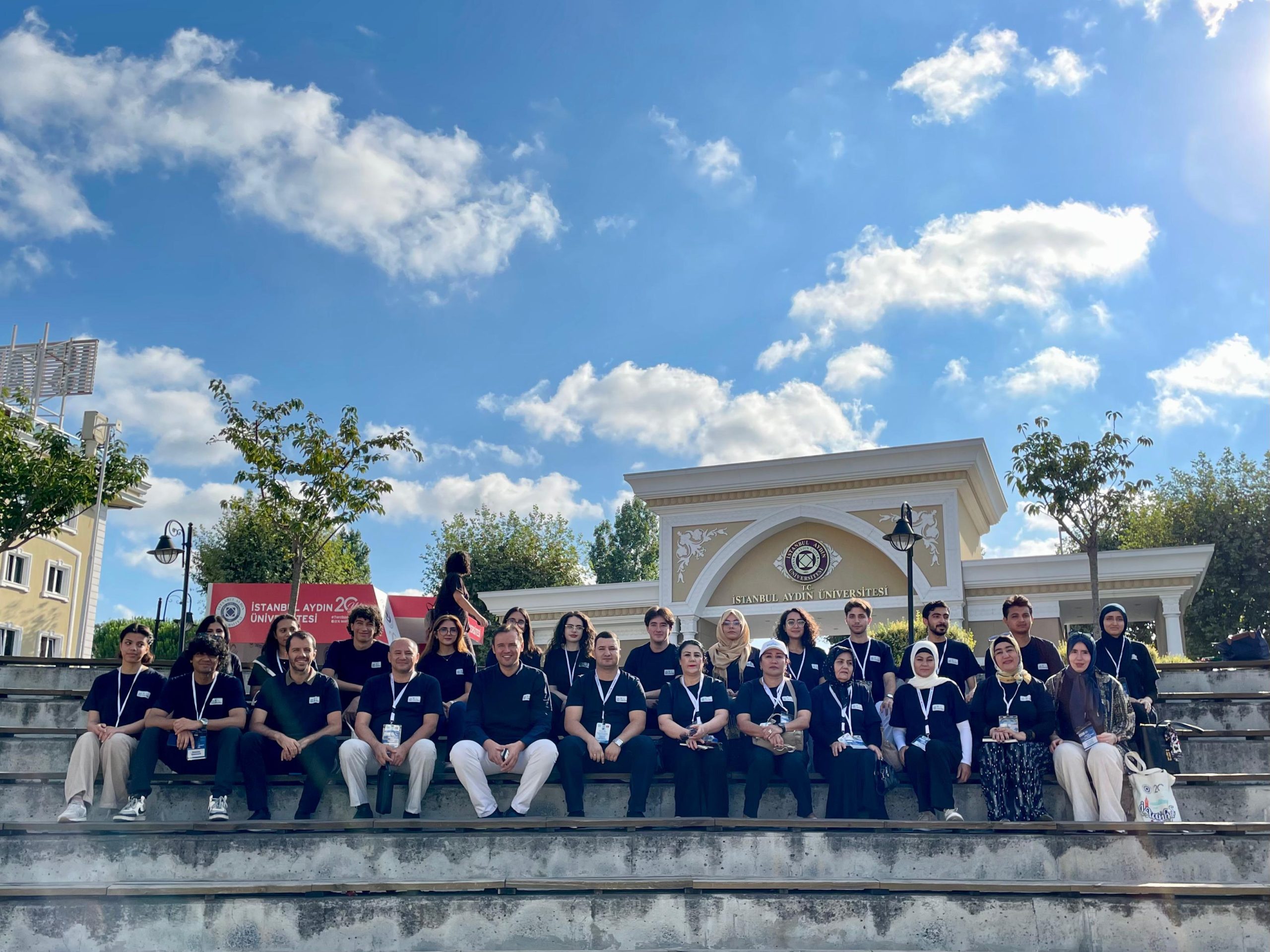
With a unique blend of excitement and anticipation, the UNESCO Summer Diplomacy Program was opened by gathering students from around the globe. Together, participants were welcomed by the UNESCO Chair and the team. They were first introduced to the program’s intercultural integration part through an introduction speech, including an overview of all the activities they would attend during the program. This included courses, workshops, and cultural and historical tours.
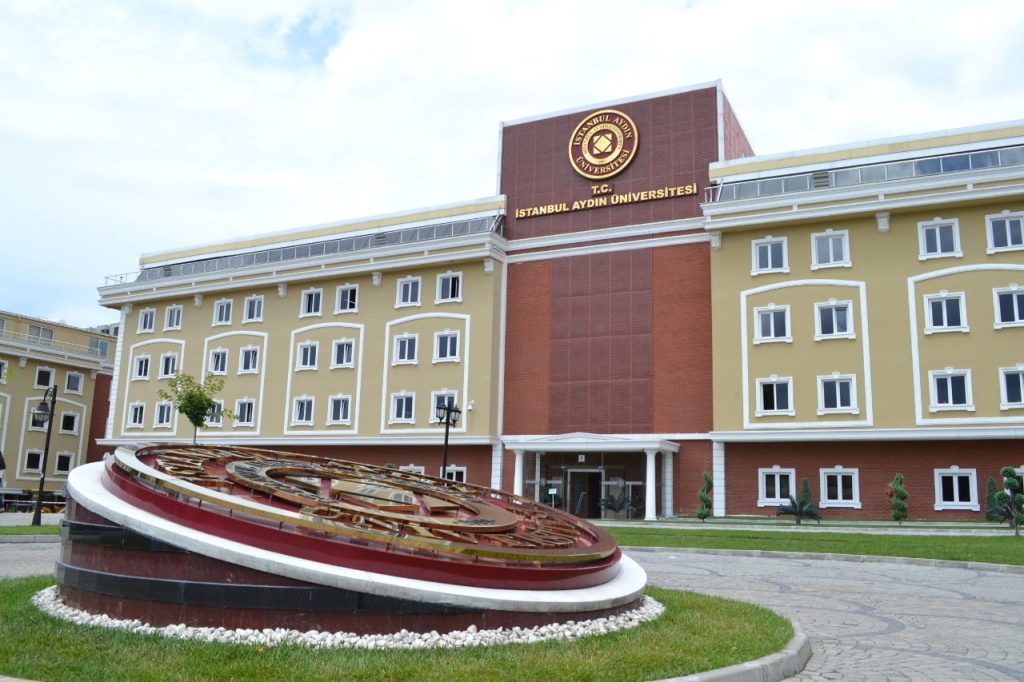
In addition to the introduction speech, the participants got a guided tour of Istanbul Aydin University’s campus. The sport facilities and the campus’ social areas were of interest to the participants. Development clubs informed about IAU’s developmental and educational goals, aiming to advance students and achieve their professional ambitions.
DAY 2
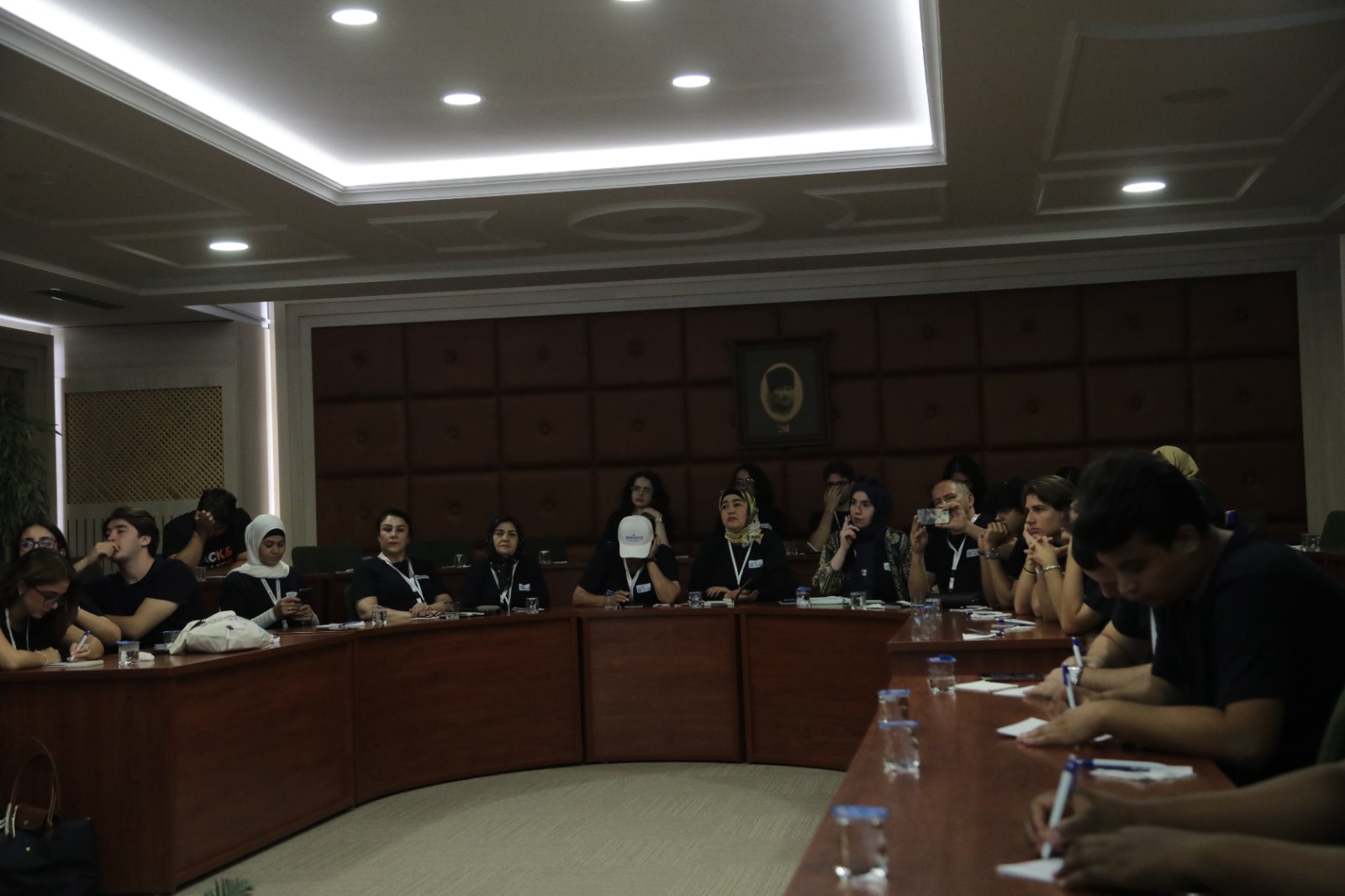
Fostering peace education as a fundamental tool was a central aspect of the Summer Diplomacy Program. This was put into practice on the second day. It all started with insightful talks on how education plays a role in promoting peace by framing mutual respect interculturally. This was highlighted when bringing up how education can prevent conflict and shape long-lasting peace. The talks and activities of this day seemed to have made the participants more aware of how powerful and important education is for the society.
DAY 3
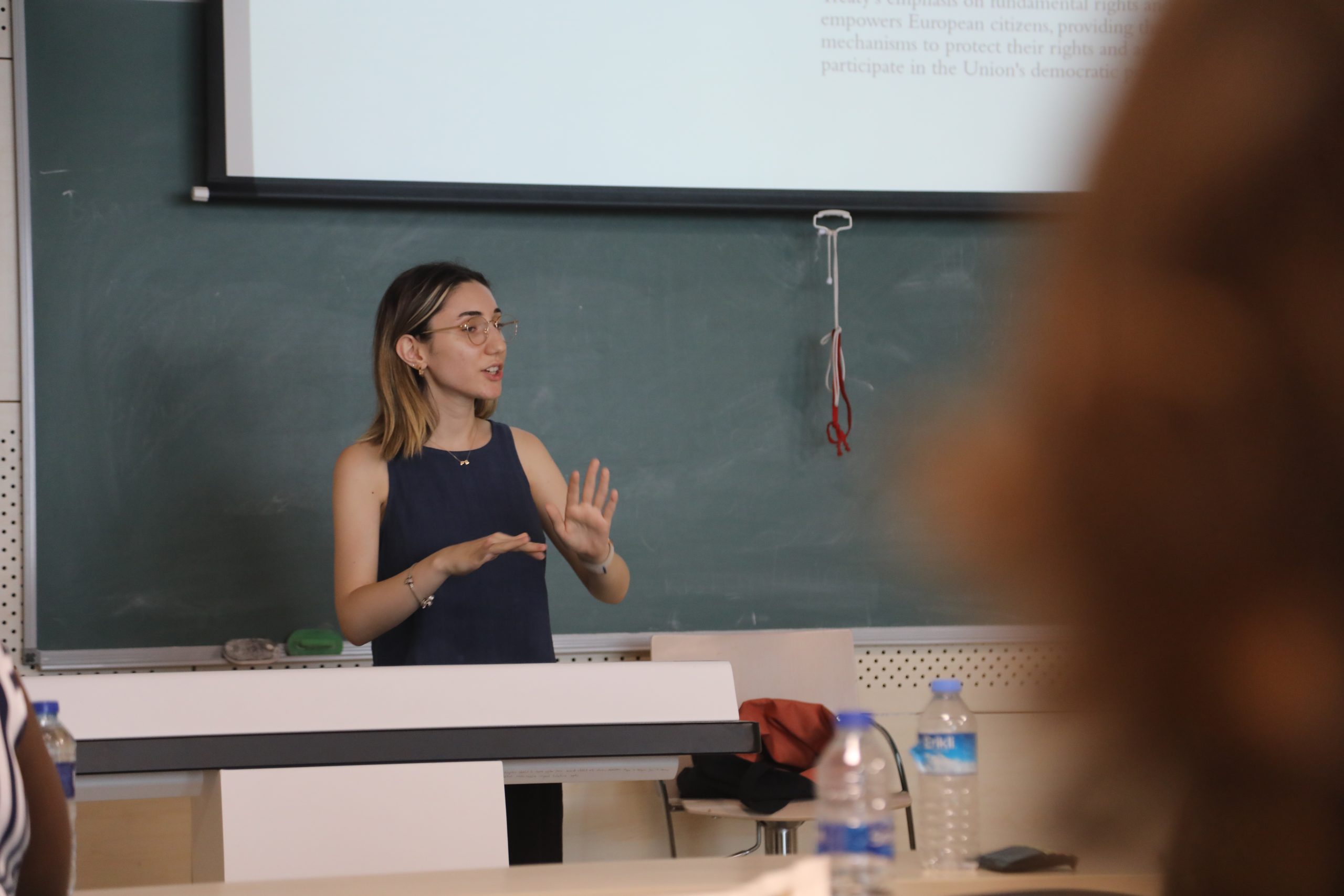
Understanding global and European values was the main focus for the third day. The sessions fostered conversations on human rights, democracy and inclusivity, which underscored the participants’ shared cultural, ethical and social principles – regardless of their national background. Participants learnt further in group activities and a case study. The participants appreciated the complexity of aligning diverse national values within a global and regional network.
DAY 4
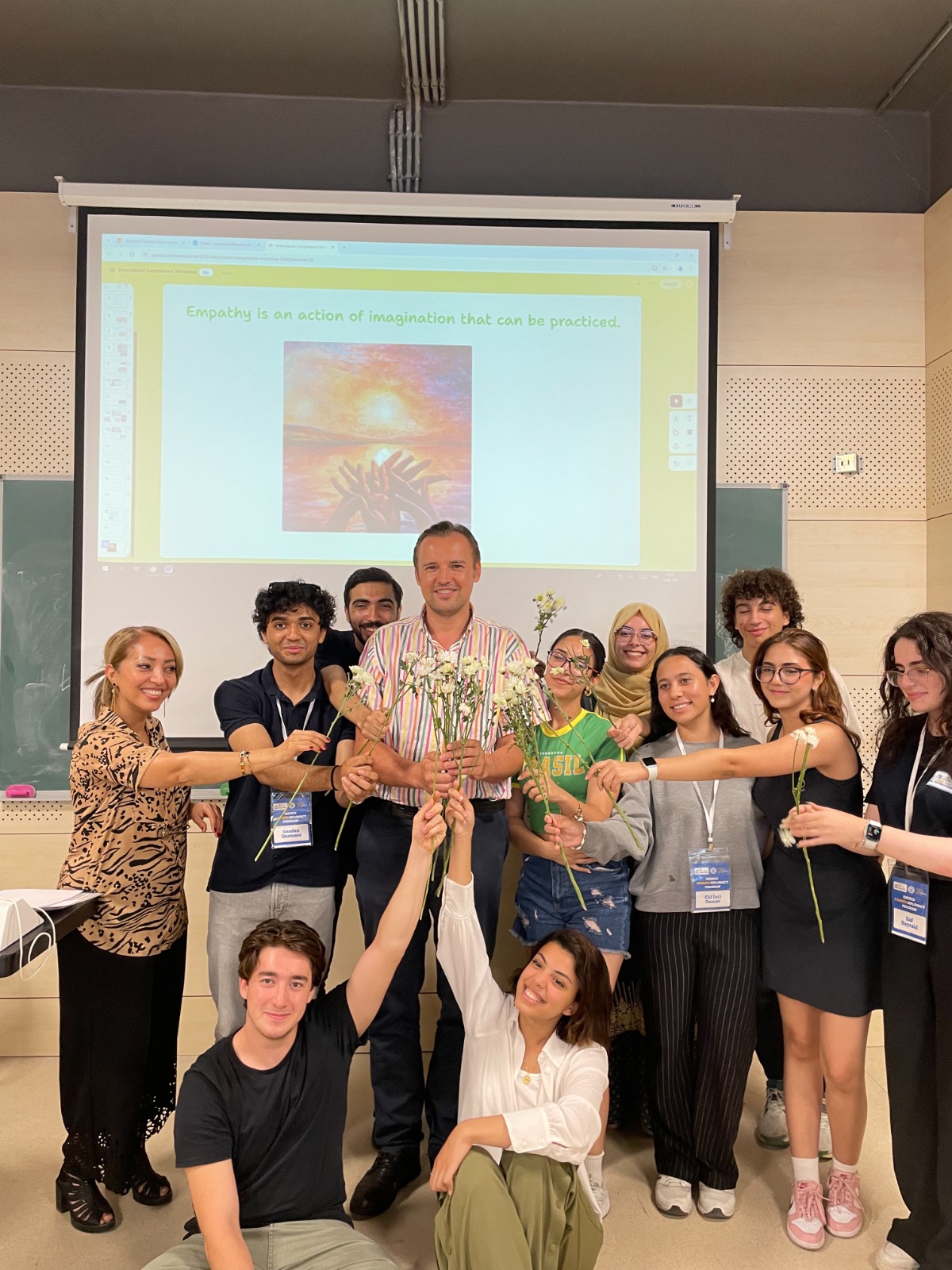
The fourth day of the program focused on intercultural awareness and advancing communication skills – a trait which is crucial for aspiring diplomats. The communication training was conducted through a customised workshop. The workshop emphasised the importance of emapthy in diplomacy. Through role-playing exercises and group discussions, the participants practiced techniques for developing their communication skills and handling intercultural exchanges with sensitivity and respect.
DAY 5
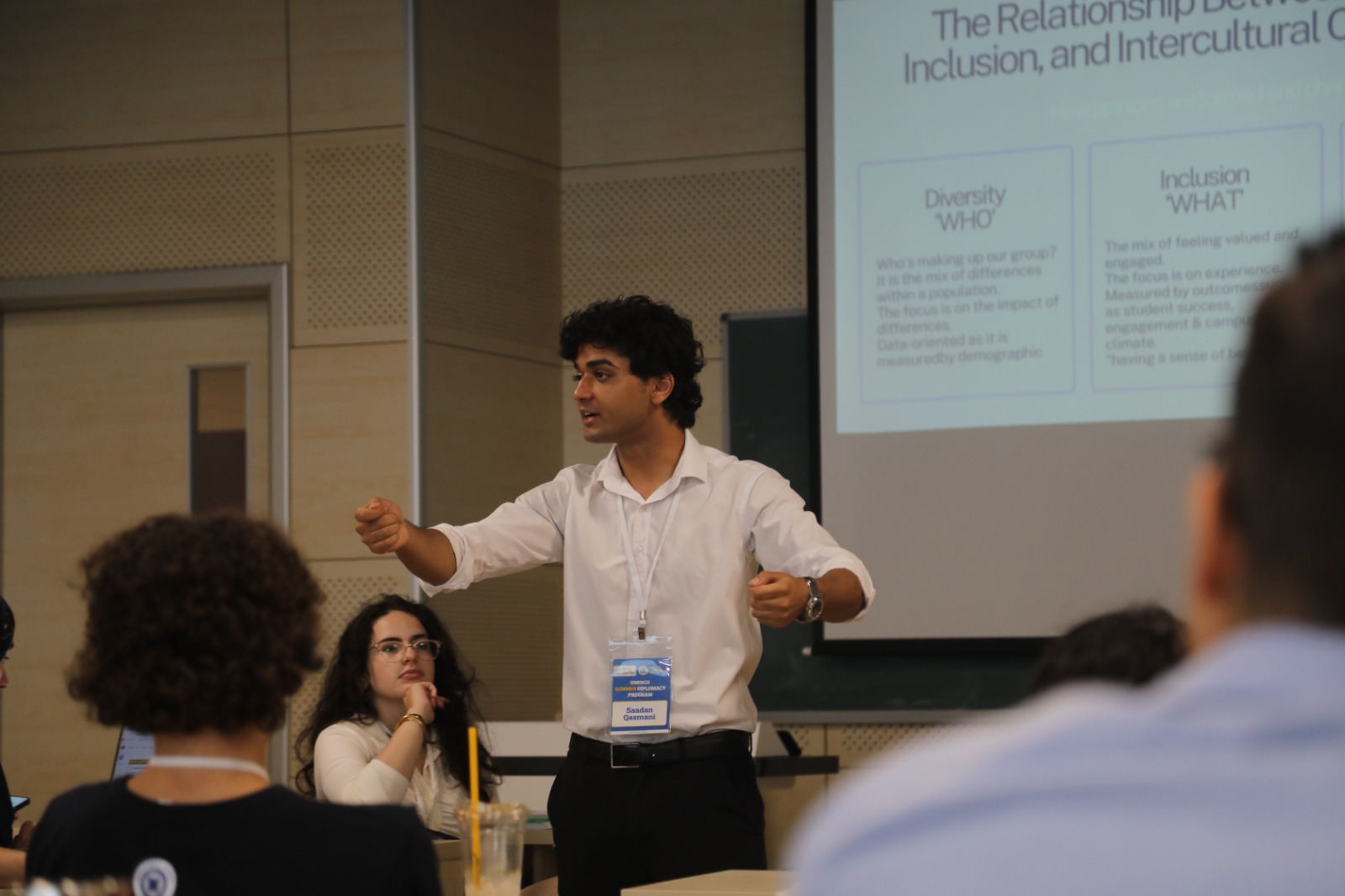
The sessions of the fifth day were a continuation of the fourth day. The informative courses highlighted how new cultural environments can be adopted, and how cross-linguistic encounters can help the individual to develop intercultural competence.
The day was concluded with an experience-sharing session, in which the participants shared their own experiences of cultural adaptation. This was an impactful exercise, which deepened and strengthened the empathy between the participants.
WEEKEND
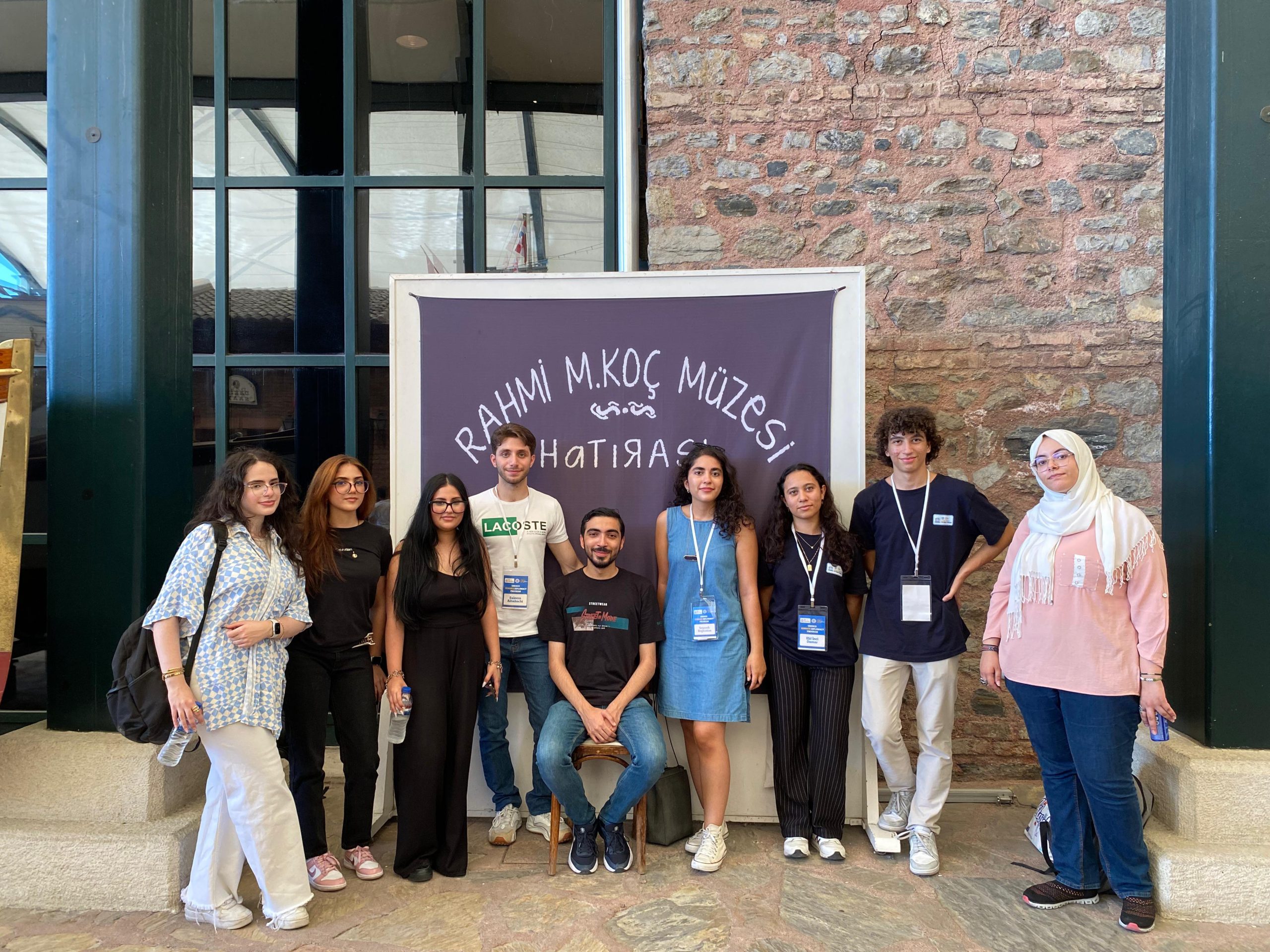
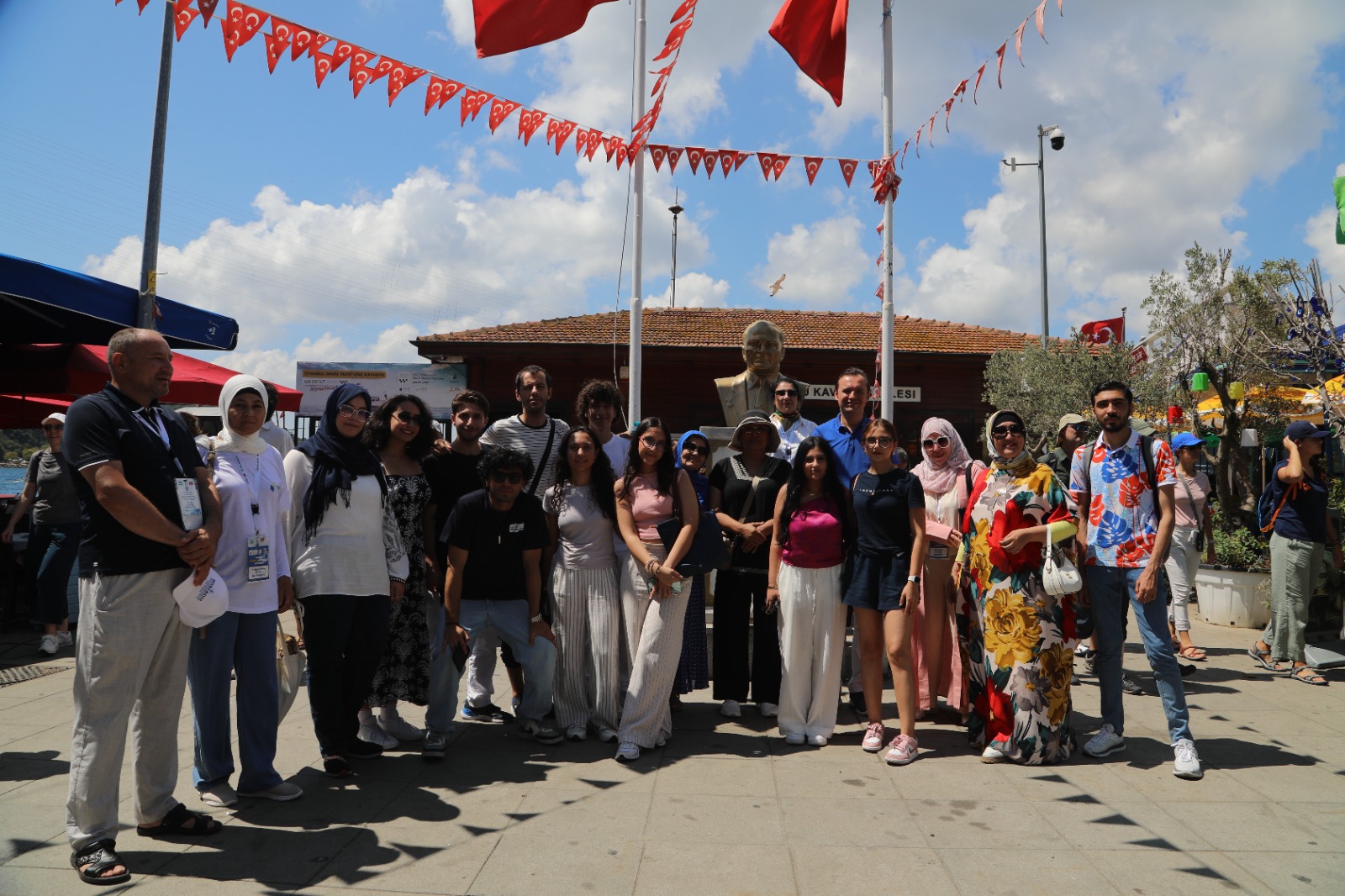
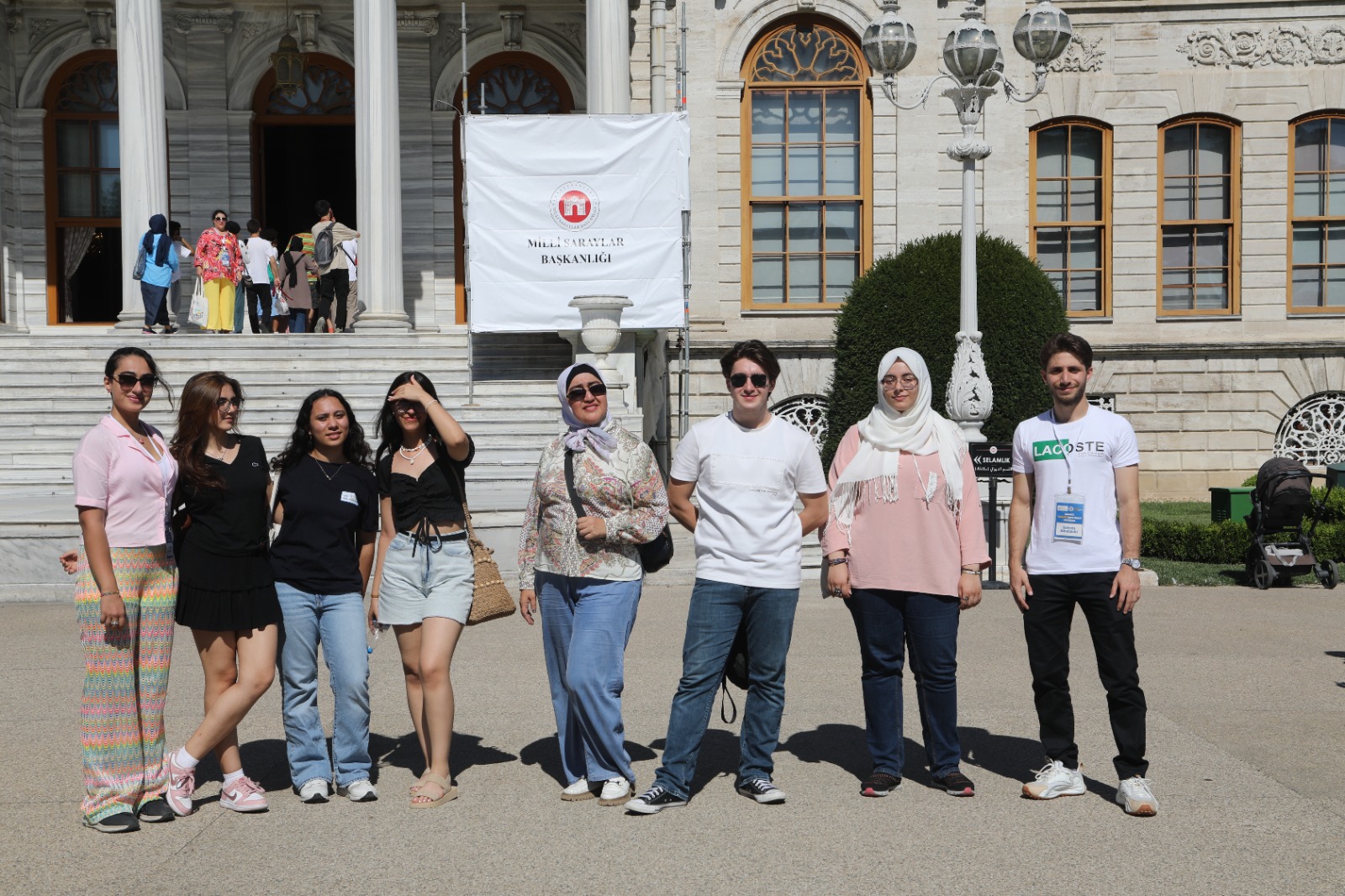
The weekend was solely dedicated to spending time outside of the classrooms. Although the trips on Saturday and Sunday could be regarded as an “academic break”, the participants nevertheless acquired new information and skills. The participants attended a Historical Pensinsula Tour on Saturday, allowing for sightseeing. On Sunday, the participants had the pleasure to join a boat trip on the Bosphorus.
DAY 1
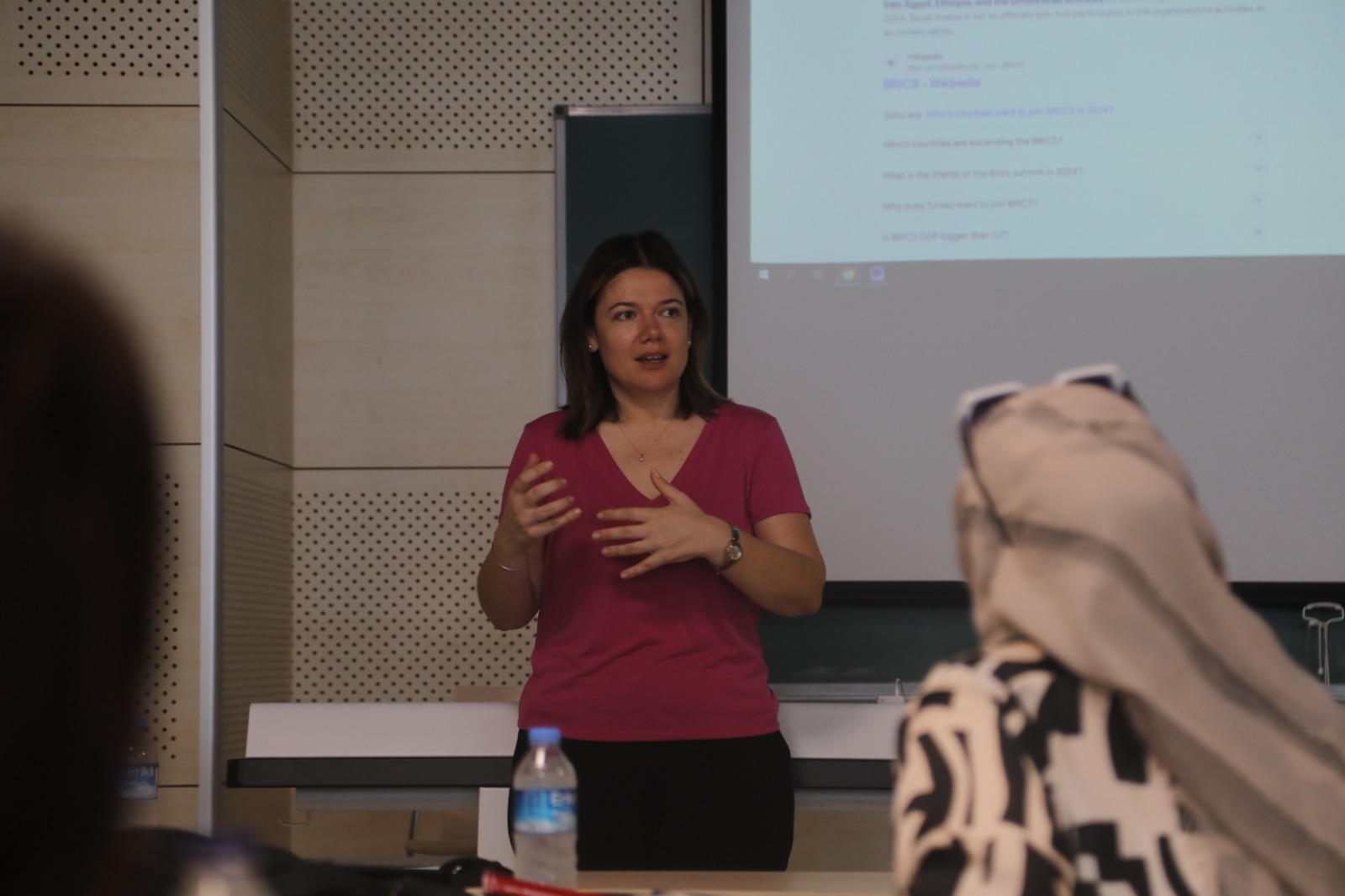
The goal of this lecture was to highlight how historical conflicts and alliances, together with culture, have shaped the diplomatic landscape. Through lectures and discussions, the participants learnt about the correlation between the historical elements and the characteristics of the contemporary diplomatic arena.
DAY 2
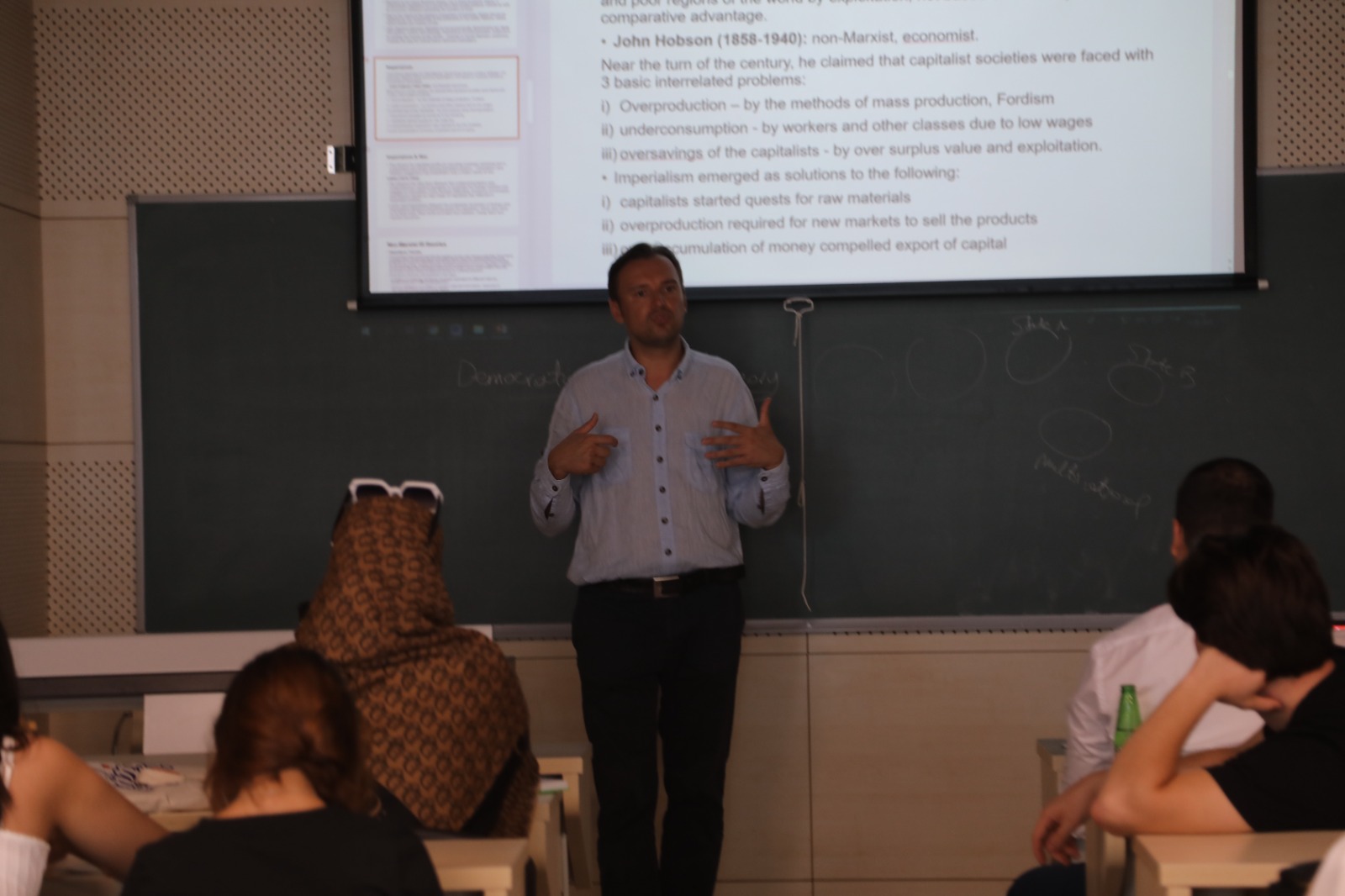
The lectures of this day were primarily dedicated to theories in international relations (IR). By talking about realism, liberalism and constructivism, the participants further discussed how these theories influence the foreign policies of states, and the impact it has on the international community. In order to let the participants try out what they learnt about IR in theory, we conducted relevant case studies. This underscored how the IR theories work in practice, and the role they play in contemporary global politics.
DAY 3
In the Wednesday session, the participants examined foreign policy and different forms of power – including hard power, soft power and smart power. The lecturers gave examples and analyses of how the different types of powers are used in global politics. The class discussed and examined the strategies and ethical considerations associated with power dynamics. Conclusively, the participants conducted a group task, where they were asked to analyse the foreign policies of their home-countries.
DAY 4
The last lecture of the program focused on how states project values through public and cultural diplomacy to shape IR. Participants engaged in workshops on media and public relations as tools of diplomacy. This workshop highlighted how the foreign services use culture events for this; the significance of “soft power”, and the role of cultural engagement in shaping global perceptions.
GRADUATION DAY
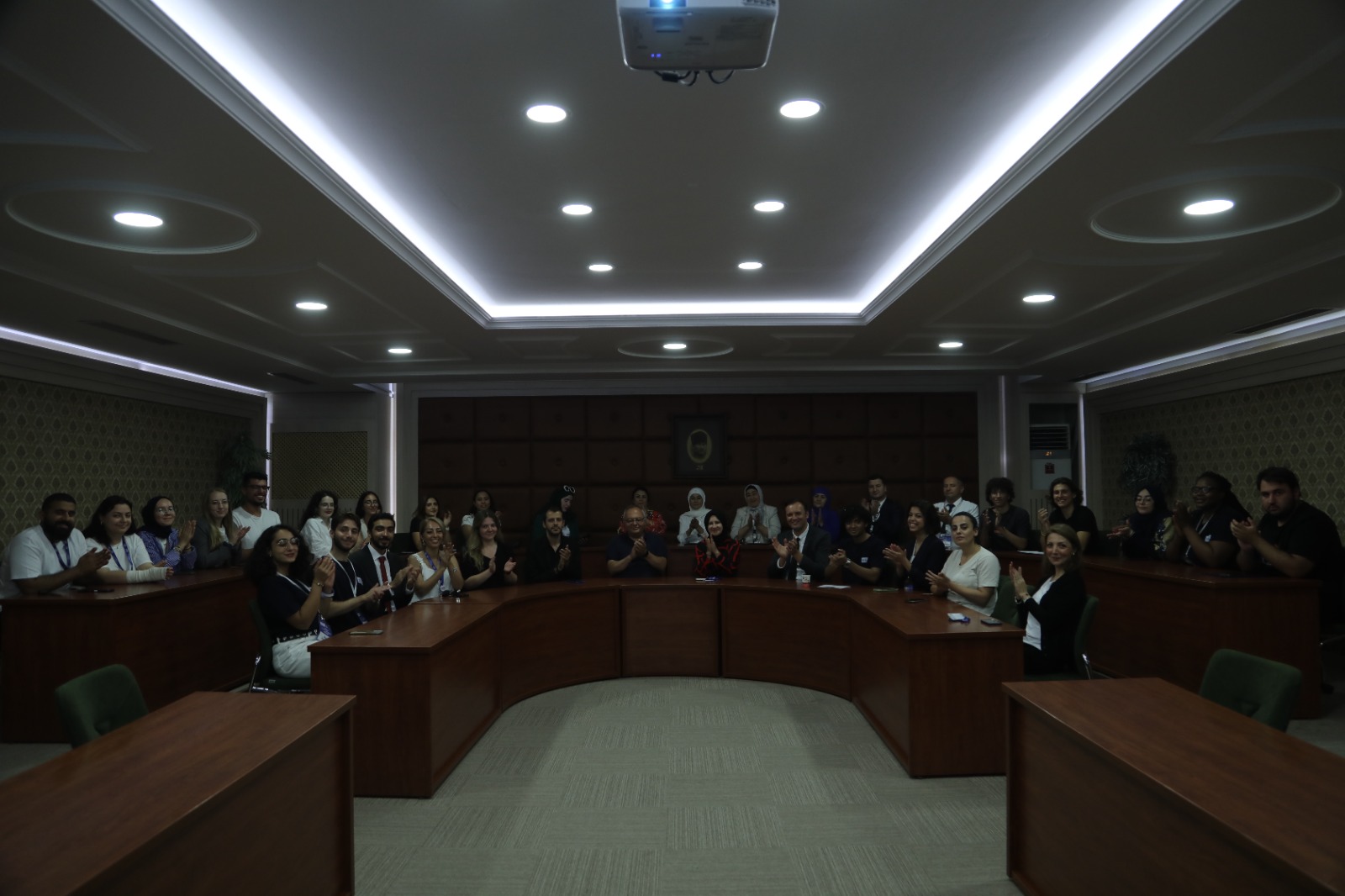
The last day of the program was mostly dedicated to the closing ceremony, here the participants got their appreciation from the UNESCO Chair as outstanding peace ambassadors. The participants were also asked to give group presentations in front of the other participants. Each group tackled a topic related to the main aspects of the program – namely diplomacy building; the methods of resolving conflict, and encouraging intercultural communications to show understanding and creativity.
DAY 1